Certified Sarnia Top Rated General Contractor for Quality Construction
How to Select the Right General Contractor for Your Home Renovation Project
Choosing the ideal construction contractor is critical for a productive home renovation. Residents must assess multiple factors, including expertise, certifications, and communication skills. A thoughtful decision can prevent costly mistakes and guarantee a smoother process. However, working through the selection process can be difficult. What particular aspects should one examine? What questions are essential during early consultations? Recognizing these elements can greatly influence the renovation experience.
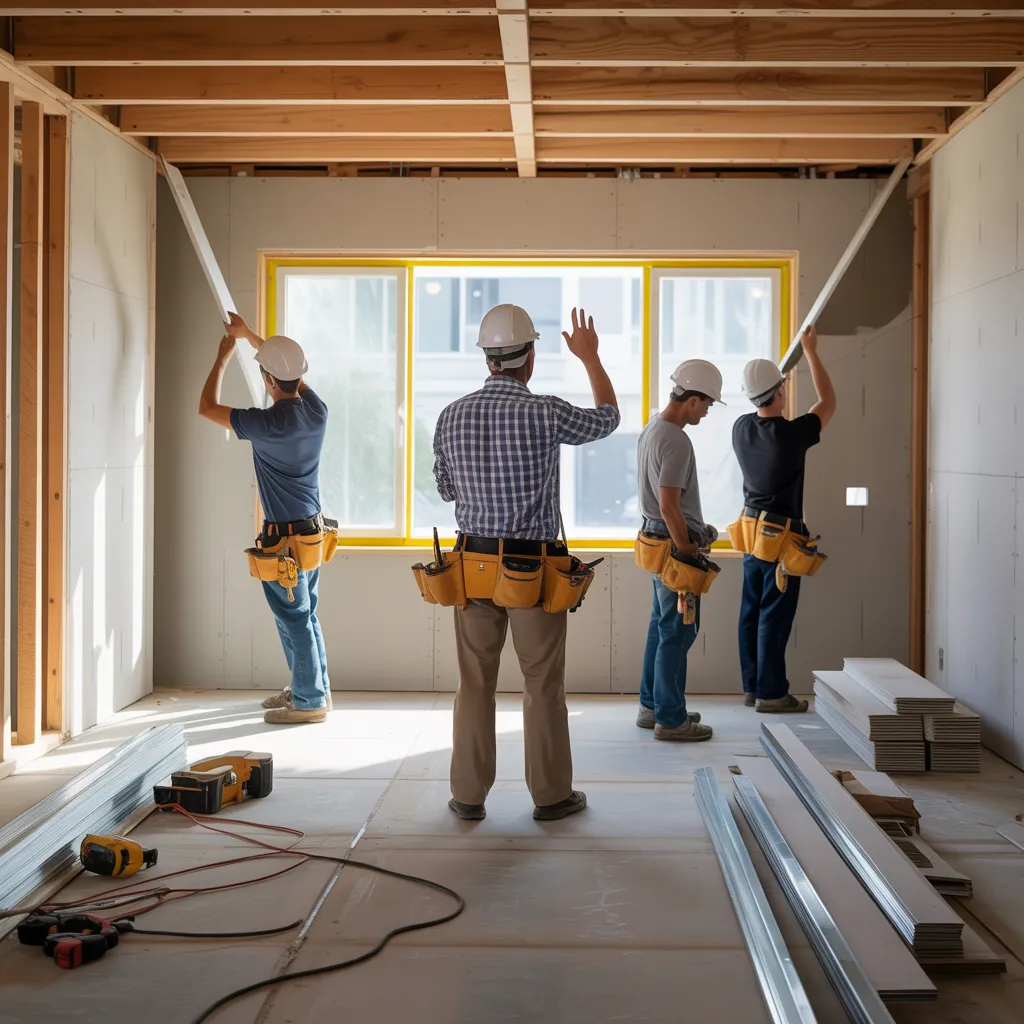
What Experience Do You Need to Look For in a Contractor?
When choosing a professional contractor for home improvement, it is essential to take into account their industry experience. A contractor's background can greatly influence the overall quality of the remodeling process. To begin, homeowners should search for contractors with a proven track record in comparable projects, ensuring familiarity with unique challenges and effective solutions.
Additionally, extensive experience can reflect a contractor's capacity to handle subcontractors, timelines, and budgets in an effective manner. It is equally important to ask about their portfolio, featuring previous work that reflects the homeowner's desired outcome.
Furthermore, contractors well-versed in regional building codes and standards can help prevent potential legal issues. Finally, a contractor's ability to provide references from past clients can provide insight into their consistency and professionalism. By closely examining these criteria, homeowners can make a more informed decision when hiring a general contractor for their home improvement project.
How to Check a Contractor's Credentials and References
How can homeowners guarantee they are hiring a qualified contractor? Checking a contractor's credentials and references is a critical step. Homeowners should first check for proper licensing and insurance, ensuring the contractor meets local regulations. This verification can generally be accomplished through state or local licensing boards. Additionally, confirming that the contractor has liability insurance and worker's compensation coverage protects homeowners from potential liabilities.
Additionally, homeowners should request references from past clients. A trustworthy contractor should supply a list of recent projects, accompanied by contact information. Contacting previous clients can offer useful insights about the contractor's work ethic, ability to communicate, and adherence to timelines.
User reviews and ratings on platforms like Angie's List and Yelp can provide additional context. By performing thorough research and collecting multiple perspectives, homeowners can reach an informed decision, increasing the likelihood of a successful renovation project.
Which Questions Should You Raise During the First Consultation?
Once they have verified a contractor's qualifications and references, homeowners should get ready for the initial consultation by preparing targeted questions. Key inquiries should center around the contractor's experience with similar projects, including schedules and foreseeable challenges. Homeowners should additionally inquire about the contractor's methods for managing projects and maintaining communication, guaranteeing they will be provided with consistent progress reports during the renovation.
Moreover, reviewing the contractor's favored subcontractors can shed light on the standard of work that can be expected. It is essential to inquire about necessary permits and how the contractor handles inspections. Homeowners are advised to request clarity on the payment timeline and any initial costs required. It is also critical to comprehend the contractor's warranty coverage and their method for handling any problems that arise after the work is finished. By asking these targeted questions, homeowners can gauge whether the contractor aligns with their vision and needs for the renovation project.
How to Break Down Project Estimates and Contracts
Breaking down contracts and project estimates is vital for homeowners to grasp the monetary components of their home improvement project. Key components such as labor, materials, and timelines have a major impact in the total expense. Moreover, clarifying contract terms ensures that every party maintains a clear comprehension of obligations and expectations.
Main Estimate Components
Recognizing the essential aspects of renovation estimates is vital for homeowners beginning renovations. A comprehensive estimate generally covers workforce costs, material costs, and overhead charges. Labor expenses reflect the compensation for experienced professionals, which can change based on skill level and project scope. Material costs should itemize amounts and standards, allowing homeowners to judge quality and background information longevity. Overhead costs, covering permits and insurance, provide insight into the contractor's operational costs. Additionally, contingency funds are often included to address unexpected expenses, providing for a less stressful renovation process. Property owners should also seek out a clear timeline and payment schedule to establish expectations. Examining these elements enables property owners make informed decisions and encourages clear communication with the selected contractor.
Contract Terms Clarified
A thorough understanding of contract terms is vital for homeowners handling renovation projects. Contracts generally detail the scope of work, payment schedules, and timelines, ensuring all parties are aligned. Homeowners should thoroughly inspect the itemized estimates, which break down costs for materials, labor, and permits, offering clarity. Key terms to be mindful of include change orders, which describe the process for addressing and pricing project modifications. Additionally, homeowners should be aware of warranty terms, which provide coverage against flaws in workmanship or materials. Comprehending these aspects enables homeowners to make knowledgeable decisions and helps prevent misunderstandings or disputes during the renovation process, ultimately leading to a more seamless renovation experience. Proper comprehension of contract terms is crucial for achieving a positive partnership with contractors.
Recognizing the Significance of Communication Style With Your Contractor?
The effectiveness of a homeowner's communication with their general contractor can have a major influence on the results of a home renovation. A transparent communication approach encourages clarity and confirms that all parties remain in agreement on timelines, budgets, and expectations. Homeowners should assess how contractors communicate updates, whether through in-person meetings, emails, or progress reports.
A contractor who pays close attention and replies considerately can assist in easing worries and resolving problems in a timely manner. In addition, it is essential for homeowners to feel comfortable expressing their ideas and feedback. An honest exchange of ideas encourages cooperation, which can produce more effective decisions and forward-thinking resolutions.
When evaluating potential contractors, homeowners need to assess how capably they can conduct meaningful dialogue. This harmony in conversational methods can substantially elevate the complete renovation journey, confirming that the project moves forward seamlessly and meets the homeowner's vision. In the end, clear communication establishes the foundation for a productive relationship.
What Red Flags Show a Contractor May Not Be Right for You?
Recognizing warning signs in a contractor is vital to a successful renovation. Unclear communication practices and a lack of proper licensing may indicate underlying problems that could impact the project. Homeowners must stay alert to ensure they select a dependable contractor suited to their needs.
Ambiguous Communication Practices
Strong communication stands as the backbone of every successful home remodeling endeavor. While assessing a general contractor, unclear communication practices often signal potential issues. Warning signs encompass contradictory messaging, ambiguous responses to questions, and challenges in arranging appointments. Should a contractor repeatedly miscommunicate project details or omit regular updates, it calls into question their professionalism and trustworthiness. Additionally, a lack of transparency regarding timelines, costs, and processes can indicate disorganization or unprofessionalism. Professional contractors must be prepared to elaborate on details and respond to concerns without delay. A contractor who avoids direct communication or dismisses questions may not prioritize the homeowner's interests, potentially compromising the overall outcome of the renovation. Open communication remains critical for fostering trust and securing a successful home improvement journey.
Absence of Appropriate Licensing
Effective communication is vital for establishing an effective partnership with a general contractor, but it is just as crucial to guarantee that the contractor holds the necessary certifications. Insufficient licensing serves as a significant warning sign when evaluating potential contractors. Certified contractors are often required to meet specific state regulations, ensuring that they possess the expertise and knowledge necessary to carry out renovation work with safety and efficiency. It is important for homeowners to verify a contractor's license through local authorities or online verification tools. Additionally, an unwillingness to present licensing information or proof of insurance may suggest unprofessional conduct. Ensuring that a contractor is properly licensed not only provides protection for the homeowner but also enhances the overall success of the home renovation project.
Frequently Asked Questions
How Do I Find Out if a Contractor Is Insured?
To determine if a contractor is insured, one should obtain evidence of insurance, such as both liability coverage and workers' compensation. Confirming these records ensures that the contractor is financially responsible for possible accidents or damages that may occur.
What Should I Do if a Contractor Misses Deadlines?
If a contractor misses deadlines, the homeowner should communicate concerns directly, consult the contract for specific terms, and document delays. Looking for a resolution via discussion or professional mediation can help clarify expectations and maintain project progress.
How Can I Handle Disputes With My Contractor?
To handle conflicts with a contractor, you should document all communications, clearly express concerns, and attempt to resolve matters through communication. Should the matter remain unresolved, look into mediation or seek legal guidance to defend your rights and secure your interests.
Are Specific Permits Required for My Renovation Project?
The permits required for renovations vary based on local regulations and the scope of the project. In most cases, building, electrical, plumbing, or zoning permits will be necessary. Consulting with local authorities guarantees compliance and helps avoid potential legal issues during the renovation process.
How Can I Protect My Home During Renovations?
To keep a home safe during renovation work, homeowners should protect floors with coverings, partition work areas, guarantee proper ventilation, safeguard important possessions, and keep open lines of communication with contractors about protective measures and scheduling to reduce interruptions.